Ground That Stays Level After Heavy Rain
Dirt Work in Blanchard for Properties with Standing Water and Uneven Grade
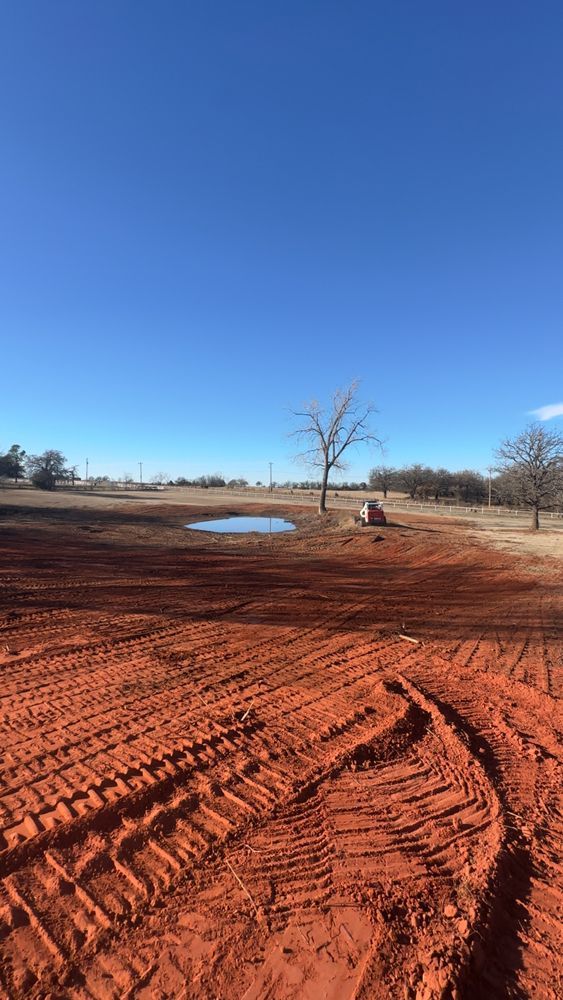
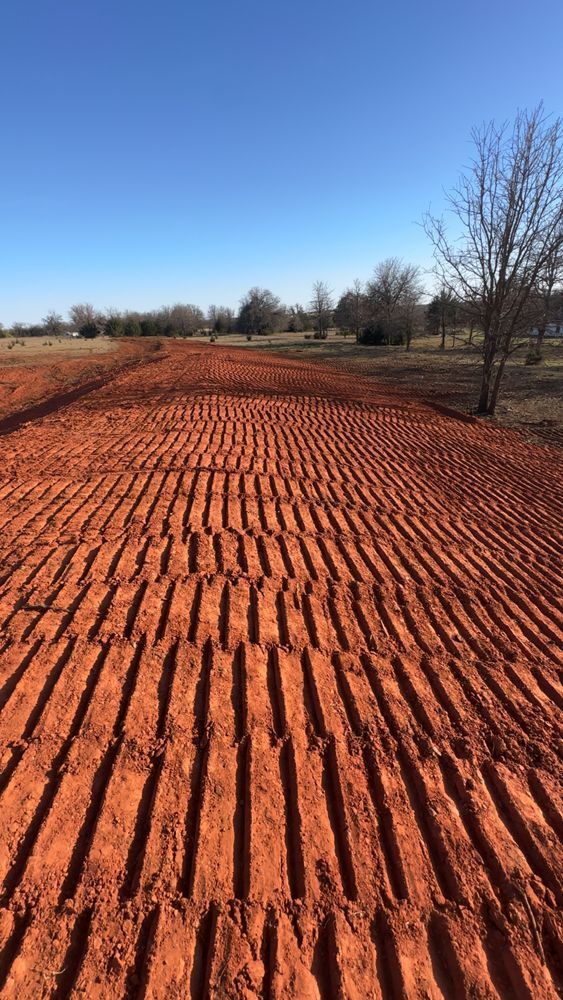
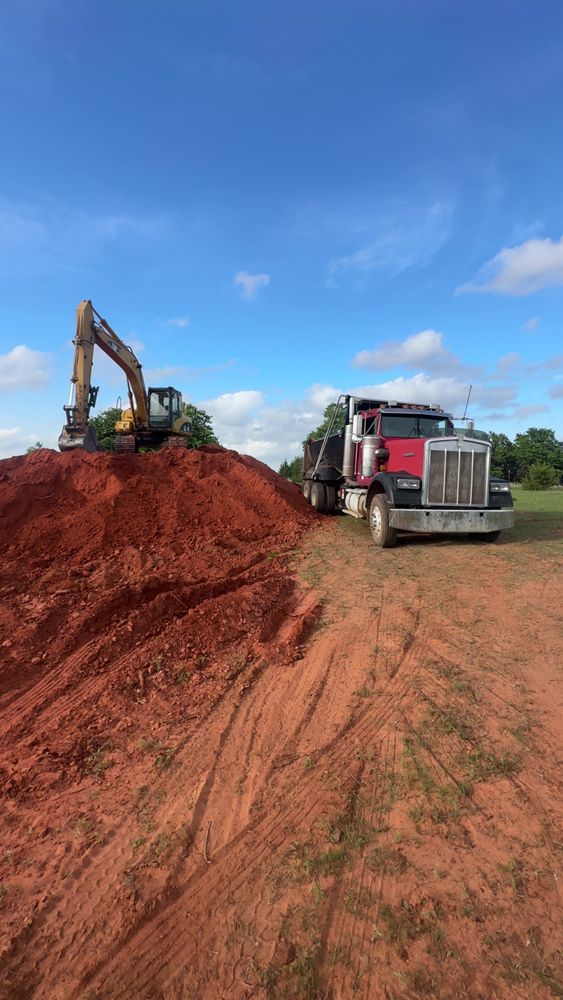
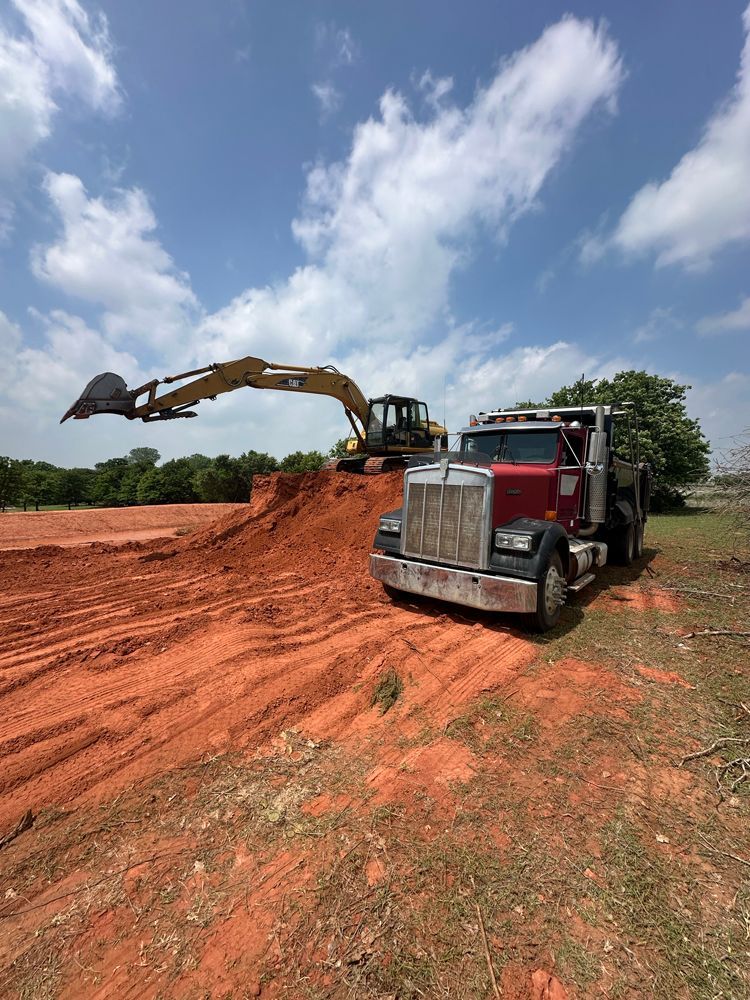
Okie Elite Land Services handles dirt work across Blanchard and the surrounding Norman and Newcastle areas, focusing on proper leveling, compaction, and drainage correction that holds up after Oklahoma's intense seasonal storms. If you're dealing with water pooling near foundations, uneven yard surfaces that prevent usable outdoor space, or soil that shifts and settles unevenly after rain, professional grading addresses the root cause by reshaping how water moves across your property. The work involves cutting high spots, filling low areas, and compacting soil in lifts to create stable, properly sloped surfaces that direct runoff away from structures and toward designated drainage paths.
The process starts with evaluating existing grade, identifying where water currently flows or collects, and determining the slope angles needed to move runoff effectively without causing erosion. Equipment used includes box blades for fine grading, compactors for soil stabilization, and laser levels on larger projects to ensure consistent fall across the entire area. Oklahoma's clay-heavy soils require specific compaction techniques because clay expands when wet and contracts when dry, so proper moisture content during compaction prevents future settling and cracking.
Request a site evaluation to map current drainage patterns and determine grading requirements for your property.
What Proper Compaction Prevents Over Time
Professional dirt work goes beyond moving soil from one area to another. The compaction step determines whether graded surfaces remain stable or develop low spots and ruts within a year. Soil is compacted in layers, typically six to eight inches at a time, because compacting thicker lifts leaves voids and weak zones that collapse under weight or moisture cycling.
Once grading and compaction are complete, you'll notice water no longer pools in problem areas after storms, and surfaces remain firm underfoot even during wet periods. Driveways built on properly compacted dirt work don't develop the wavy, sunken sections common on poorly prepared ground, and lawn areas drain evenly without creating mud zones that kill grass. Okie Elite Land Services uses professional-grade equipment to achieve compaction densities that support long-term use, whether the area will carry vehicle traffic, support structures, or function as usable yard space.
The scope of dirt work varies widely depending on existing conditions, total area, and intended use. Residential projects may involve regrading around foundations to correct negative slope, creating level pads for outbuildings, or reshaping entire yards for better drainage and aesthetics. Commercial projects often require precise elevations to meet engineering plans, controlled fill placement for parking areas, and coordination with utility installation timelines.
What to Know Before Grading Begins
Property owners in the Blanchard area often ask similar questions when planning dirt work projects, especially regarding timing, soil conditions, and what the finished grade should accomplish.
What determines how much dirt needs to be moved?
The amount of cut and fill depends on the difference between current grade and target elevations, which are set based on drainage requirements, setback regulations, and how the property will be used once grading is complete.
How does Oklahoma clay affect compaction work?
Clay soils in this region hold moisture longer than sandy soils, so compaction timing matters—working clay when it's too wet creates a slick, unstable layer, while compacting overly dry clay leaves it prone to cracking and settling once moisture returns.
When should dirt work happen relative to other site improvements?
Grading typically occurs after land clearing and before any paving, foundation work, or utility trenching, since those activities require stable, properly sloped ground as a starting point.
What does proper drainage slope look like in Blanchard?
Most residential grading aims for a minimum two percent slope away from structures, which translates to roughly two feet of elevation drop over one hundred feet of distance, enough to move water without causing erosion.
How long before graded areas can handle traffic or construction?
Compacted surfaces can typically support light equipment within days, but heavier loads or foundation work may require additional settling time depending on soil type, moisture content, and compaction density achieved during grading.
Okie Elite Land Services provides free estimates that include site evaluation, equipment requirements, and clear timelines based on project scope. Schedule a consultation to review your property's grading needs and discuss how proper dirt work improves drainage and long-term usability.