Properties Cleared for Access and Development
Land Clearing in Washington for Raw Land Requiring Brush and Tree Removal
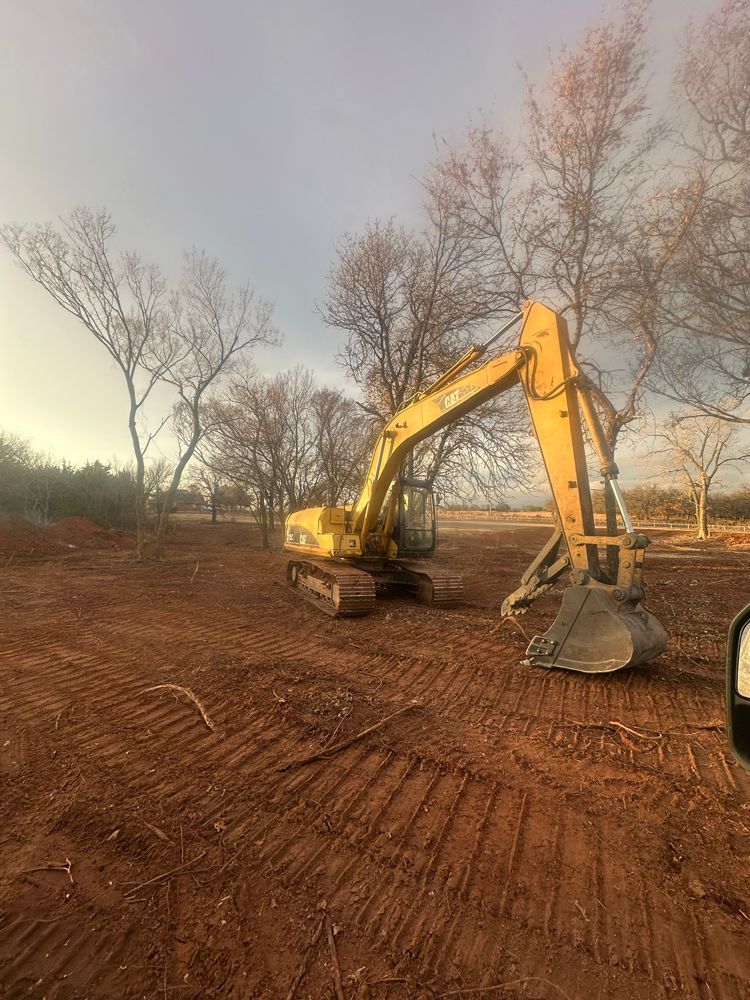
Raw land covered with trees, brush, and surface debris can't support construction, driveways, or usable outdoor space until that vegetation is removed and the ground is accessible to equipment. Land clearing in Washington and the surrounding Blanchard and Purcell areas removes obstacles that prevent development, creating clean, workable surfaces for the next phase of site work whether that involves building pads, grading, or infrastructure installation. Okie Elite Land Services uses professional clearing equipment to cut through dense vegetation, remove root systems that interfere with grading, and haul away debris so the property is ready for dirt work or construction activities without delays caused by partial clearing or leftover stumps.
The clearing process includes cutting trees at ground level or removing stumps entirely depending on what the land will be used for, grinding brush and smaller vegetation, and addressing surface rocks or debris that would damage grading equipment. Clearing equipment ranges from forestry mulchers that grind vegetation in place to excavators with grapples that pull and pile larger trees for removal, with the method chosen based on vegetation density, tree size, and whether cleared material will be hauled off-site or processed on the property.
Schedule a property assessment to evaluate clearing requirements and determine equipment needs based on vegetation type and project scope.
What Changes After Vegetation Is Removed
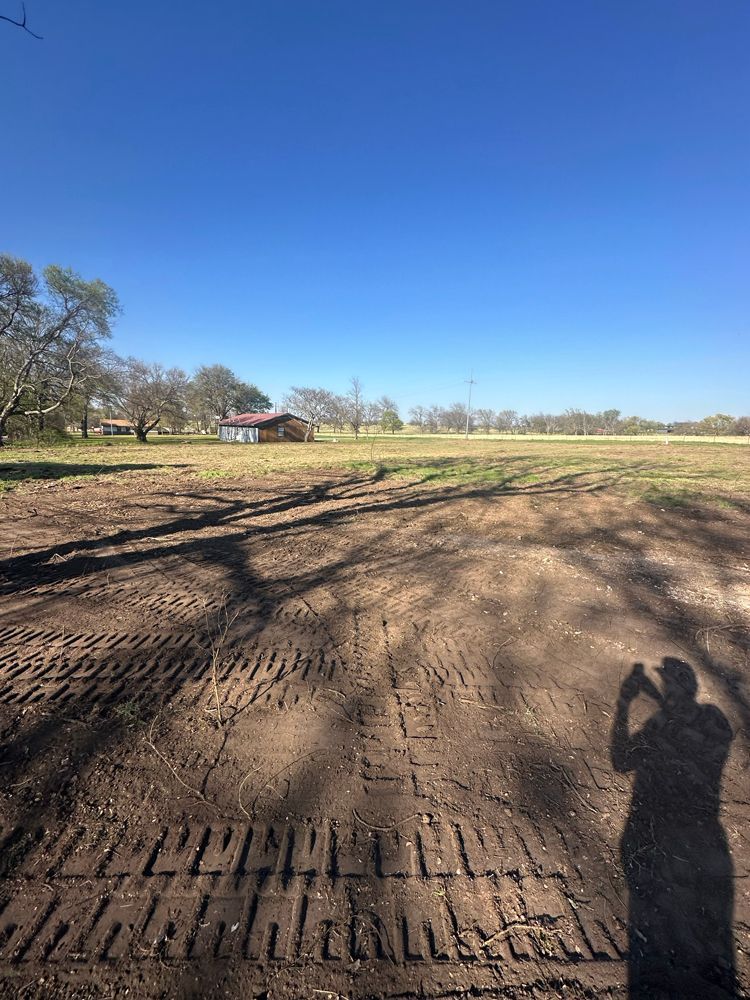
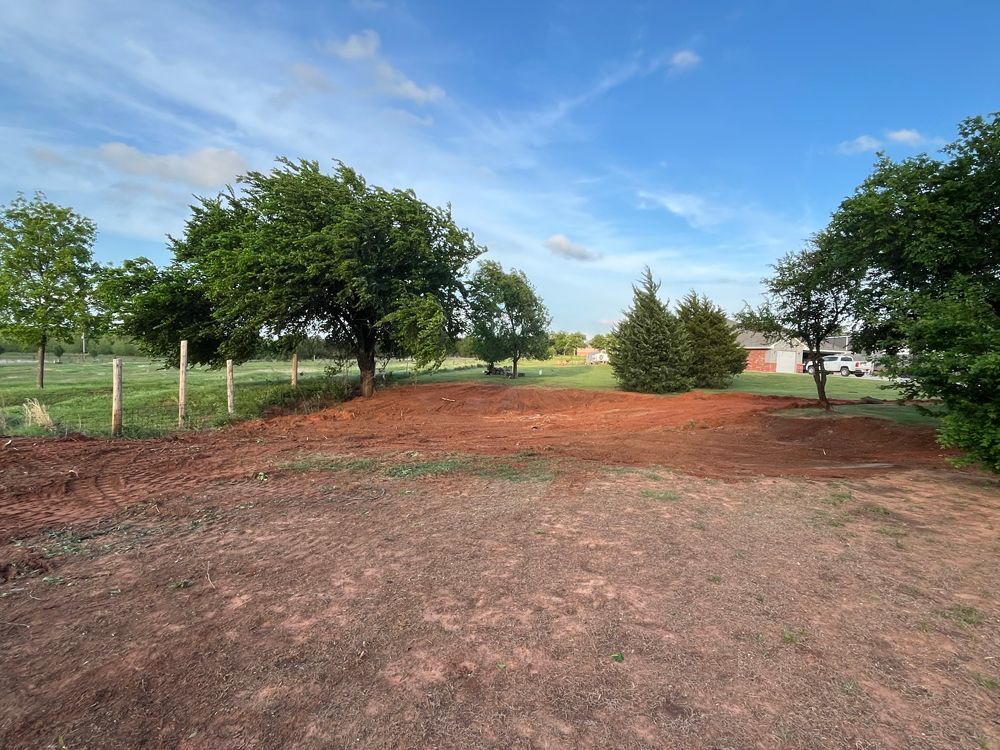
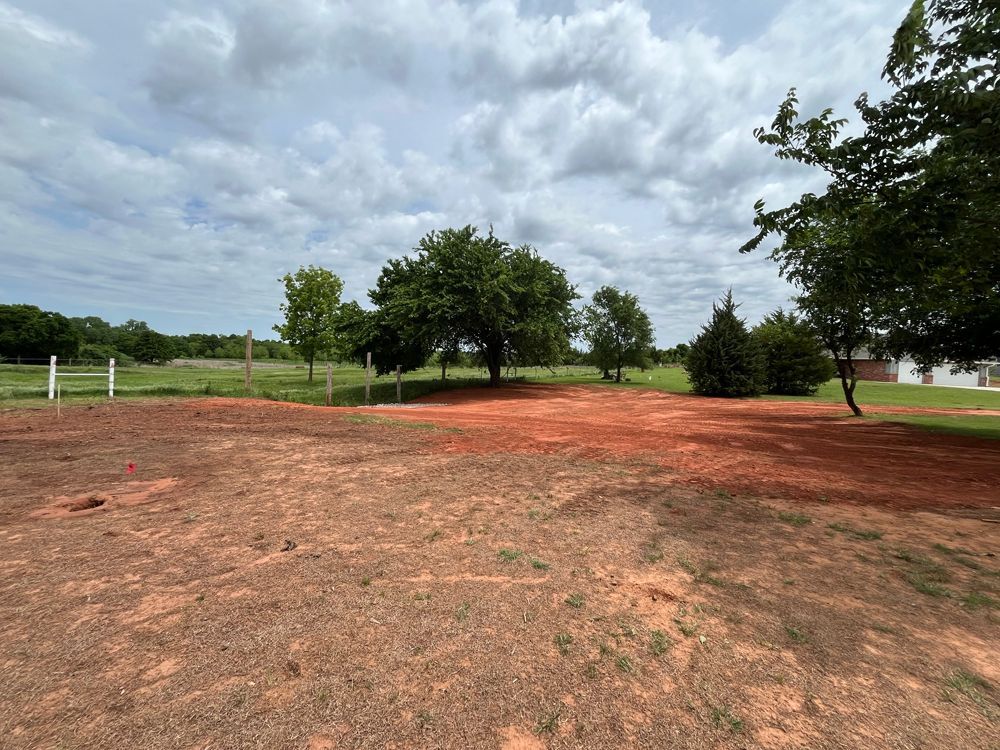
Land clearing transforms unusable, overgrown parcels into accessible ground where vehicles, equipment, and construction crews can operate without obstruction. The work focuses on thorough removal rather than surface cutting, because stumps and root systems left in place interfere with grading, create soft spots in compacted pads, and sprout new growth that requires repeated clearing.
Once clearing is complete, you'll notice the property has defined boundaries and clear sight lines, equipment can move across the area without dodging trees or getting hung up in brush, and the ground surface is visible for the first time, which allows accurate evaluation of existing grade and drainage patterns. Cleared land also eliminates fire hazards from dead brush accumulation and improves property maintenance by removing dense vegetation that harbors pests and limits airflow.
Clearing scope varies depending on whether the project involves selective thinning to maintain certain trees, total clearing for construction sites, or perimeter clearing to establish access roads and fire breaks. Rural properties often require clearing along fence lines and around structures to reduce wildfire risk, while residential lots typically clear the entire building envelope plus driveway and utility corridors.
Common Land Clearing Questions
Property owners preparing land for development or improved usability often have questions about clearing methods, debris disposal, and how the work fits into overall site timelines.
What determines whether stumps need full removal or can be ground down?
Full stump removal is necessary when the area will be graded or excavated for foundations and utilities, while stump grinding works for areas that will remain undisturbed or only receive light landscaping.
How does clearing affect soil conditions in Washington?
Removing vegetation exposes soil to direct sun and rain, which can cause surface crusting in clay soils and erosion on slopes, so cleared areas often need prompt grading or erosion control measures to stabilize the surface.
When should land clearing happen before other site work?
Clearing is typically the first step in any development sequence because grading equipment, concrete trucks, and construction crews need clear access and unobstructed work areas from the project start.
What happens to cleared trees and brush?
Depending on project agreements, cleared material can be hauled off-site, chipped and spread as mulch on undeveloped portions of the property, or piled for the property owner to process or burn following local regulations.
How long does clearing take on a typical residential lot?
Clearing timelines depend on vegetation density and lot size, but most residential parcels with moderate tree cover and brush can be cleared in one to three days using appropriate equipment and crew size.
Okie Elite Land Services offers free estimates that include site visits to assess vegetation density, equipment requirements, and debris disposal options. Reach out to plan your land clearing project and coordinate timing with subsequent grading or construction phases.