Foundation Ground Built Before Construction Starts
Site Preparation in Norman for Builders and Property Owners Planning New Structures
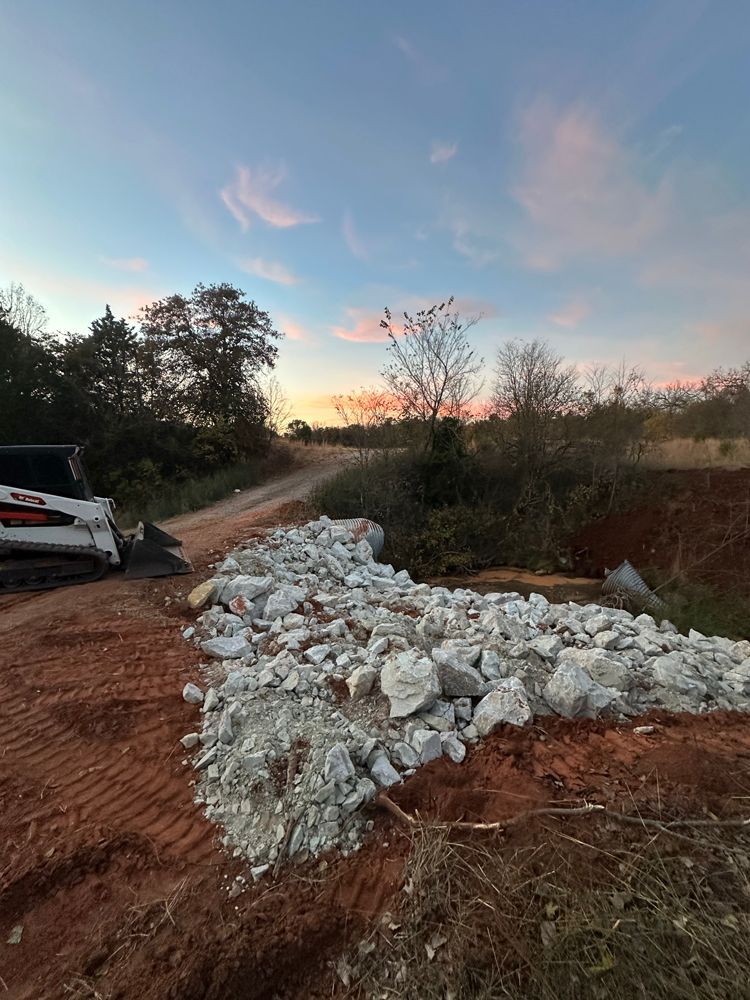
A new home, shop, or commercial building requires level, stable ground before the first foundation form goes in, and site preparation creates that starting point through clearing, grading, and drainage work designed for long-term structural performance. Okie Elite Land Services prepares building sites across Norman, Newcastle, and Tuttle, coordinating with builders and property owners to deliver foundation-ready ground that meets engineering specifications and prevents settlement issues. If you're starting construction on raw land, the site preparation phase removes vegetation and debris, establishes proper elevations, and ensures water drains away from the planned structure rather than pooling near footings or slabs.
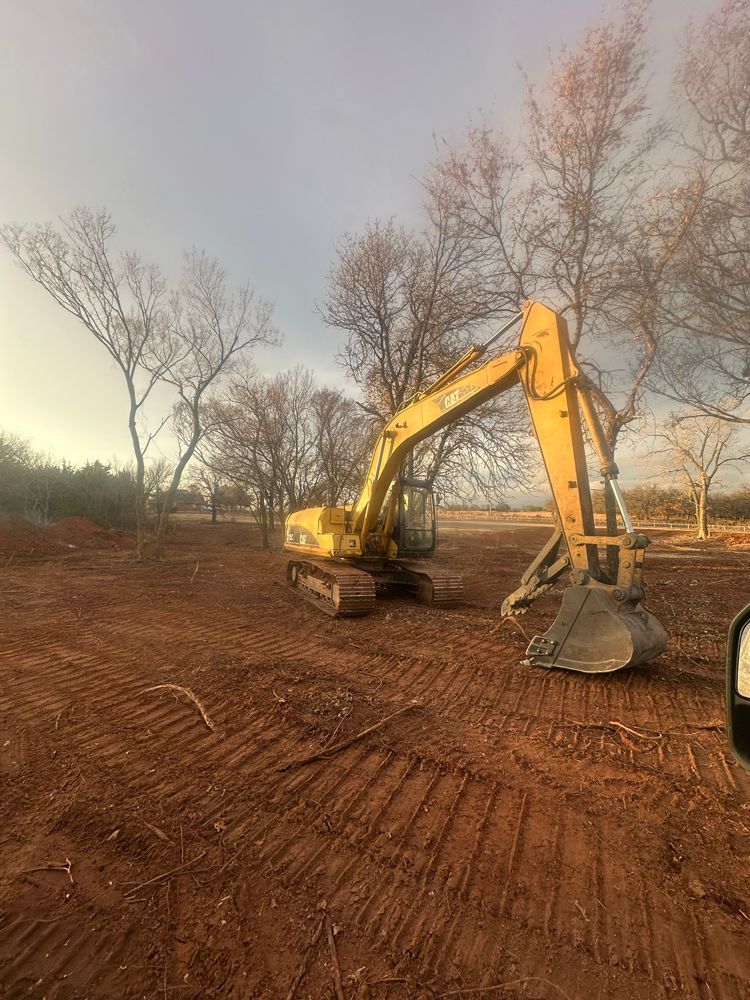
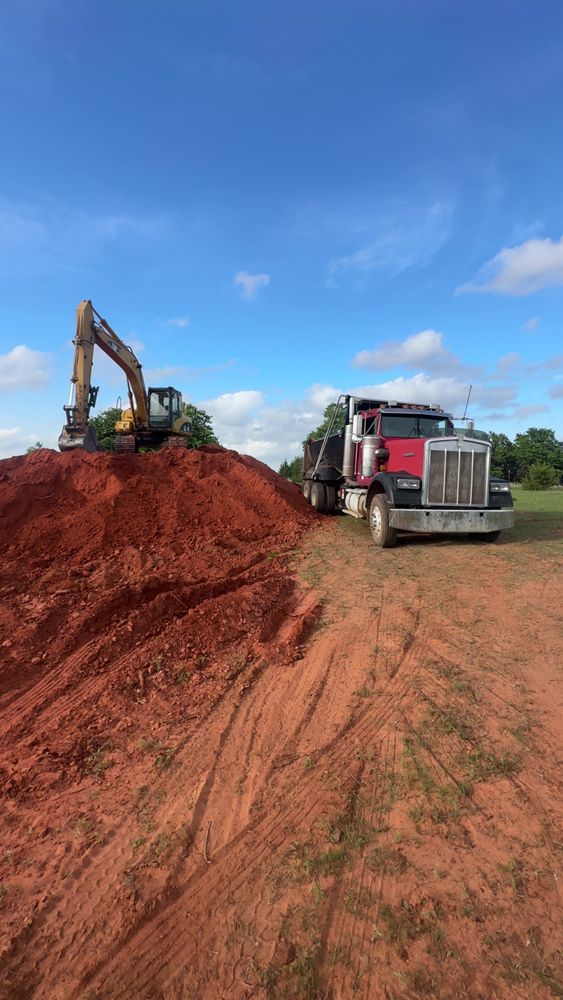
The process involves stripping topsoil from the building footprint because organic material compresses and decomposes over time, then cutting or filling to reach target elevations set by foundation plans. Equipment used includes bulldozers for rough shaping, scrapers for moving larger soil volumes, and compactors to stabilize fill areas, with laser-guided grading systems on commercial projects to maintain tight elevation tolerances across the entire pad.
Arrange an estimate to review site-specific preparation requirements based on your building plans and soil conditions.
How Site Prep Addresses Settlement Before It Happens
Proper site preparation prevents the structural problems that occur when buildings settle unevenly because the ground beneath them wasn't adequately compacted or graded. The work focuses on creating a stable pad that maintains its elevation and slope even as the soil undergoes moisture cycles, freeze-thaw conditions, and the weight of the structure above it.
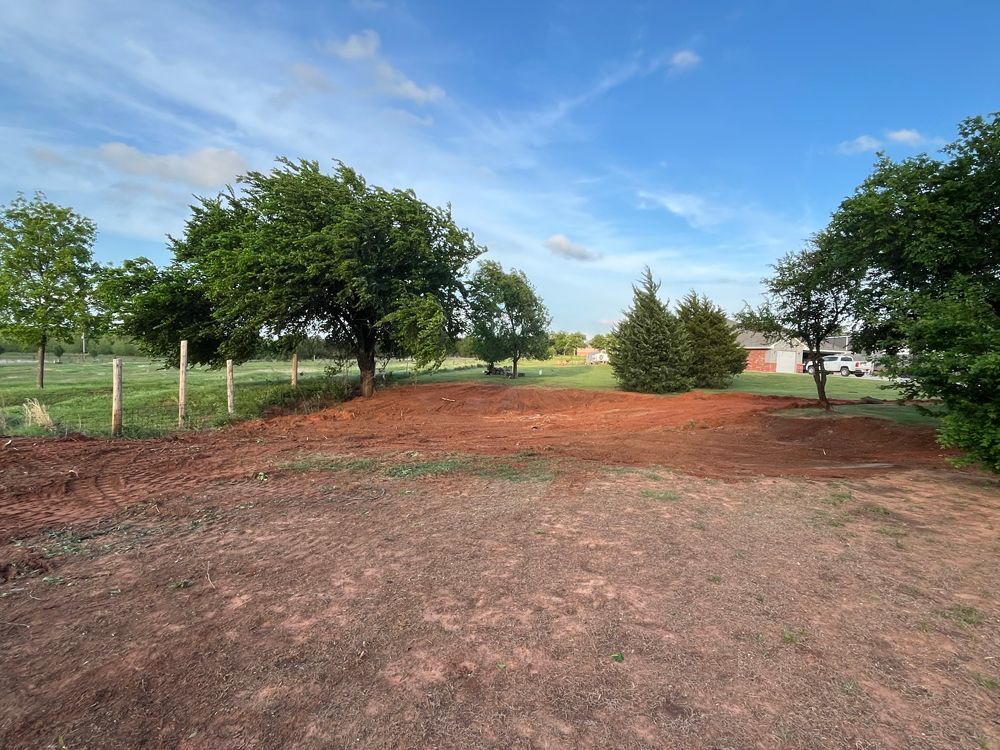
After site preparation is finished, the building pad sits at a consistent elevation with controlled slopes that direct runoff toward drainage features rather than back toward the foundation. You'll see a firm, level surface that doesn't develop soft spots or standing water after rain, which means concrete pours won't encounter mud, and foundation crews can work on stable ground without waiting for areas to dry out. The preparation work includes establishing driveway access grades, utility trench coordination, and perimeter drainage paths so that construction activities proceed in sequence without rework.
Site preparation scope depends on the size and type of structure, existing site conditions, and whether utilities require trenching or easement access. Residential pads for single-family homes typically involve clearing a quarter to half-acre area, removing six to twelve inches of topsoil, and compacting fill to support slab or pier-and-beam foundations. Commercial projects may require deeper cuts, engineered fill specifications, and coordination with civil engineers to meet local stormwater and grading ordinances.
Questions Before Breaking Ground
Builders and property owners in the Norman area frequently ask about site preparation timing, soil testing, and how the work integrates with construction schedules.
What happens to topsoil removed during site prep?
Topsoil is typically stockpiled on-site for later use in landscaping and final grading, since it contains organic matter and nutrients that support vegetation better than the compacted subsoil used for structural pads.
How does site preparation differ for slab foundations versus pier-and-beam?
Slab pads require tighter elevation control and uniform compaction across the entire footprint because the concrete sits directly on prepared soil, while pier-and-beam foundations focus compaction efforts under individual pier locations and perimeter beams.
When should site prep occur relative to utility installation in Norman?
Utility trenching usually happens after rough grading establishes pad elevations but before final compaction and foundation work, allowing contractors to backfill and compact trenches without disrupting the finished building pad.
What permits or approvals does site preparation require?
Most municipalities require grading permits for projects that disturb more than a certain area or change drainage patterns, and those permits often involve submitting a site plan showing existing and proposed elevations along with stormwater management details.
How long does weather delay site preparation work?
Heavy rain stops grading and compaction because working saturated clay soils causes rutting and prevents proper compaction, so projects scheduled during Oklahoma's wet season typically include weather contingency time in the timeline.
Okie Elite Land Services provides free estimates with clear timelines and works directly with builders to coordinate site preparation with construction schedules. Contact the team to discuss your project's grading and preparation requirements based on building plans and site conditions.